

Avast advises how to spot fake e-shops, recognize new methods scammers use, and remain safe this holiday season.
Holiday shopping is in full swing, and so is the hunt for great deals. As online shopping becomes the default for many, a shadowy industry of fake e-shops is growing right alongside it.
The holiday season is the perfect time for scammers. People are hurried, stressed and busy getting the best gifts for their loved ones, which makes it harder to stay alert. That’s why fake online shops, also called fake e-shops, are one of the fastest growing threats ahead of the holidays – just during the last quarter of 2024, Avast researchers blocked over 21 millions of fake e-shops attacks globally.
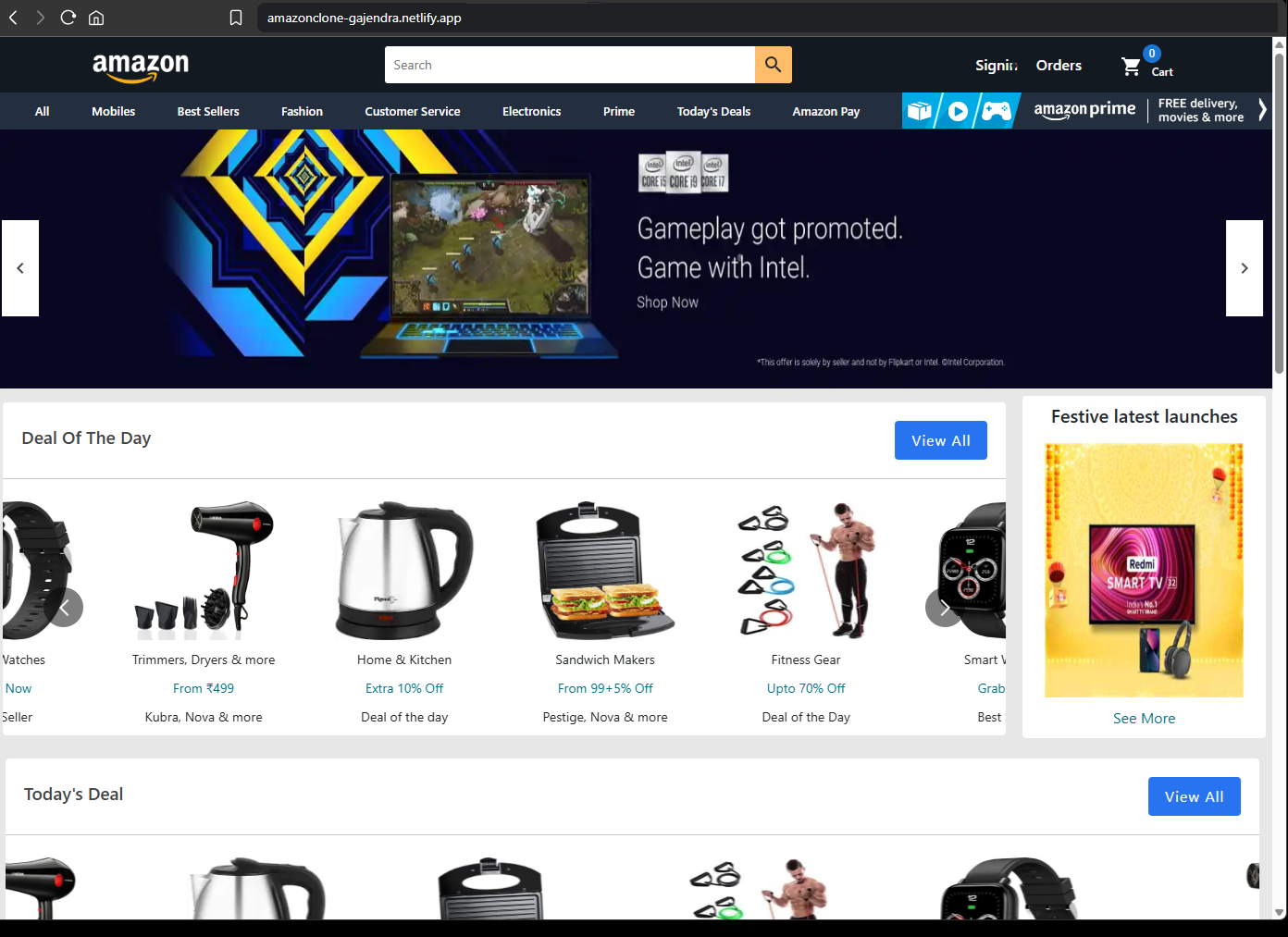
Cybercriminals set up these sites to look like legitimate retailers, often mimicking well-known brands, like Amazon, Apple, Ray-Ban, Nordstrom, Wayfair and others, or creating appealing new ones from scratch. Their goal is simple: to steal your financial information, get access to your personal data and use it for more personalized scams, or simply take your money and send you nothing at all.
Fake e-shops aren’t new, but what has changed is the scale and sophistication of these operations. Scammers now use AI and other powerful tools to create convincing fakes, making it harder for the average person to tell the difference. They also make sure to get the most out of the holiday season, luring people with holiday promotions and deal countdowns, just like the real brands would – last year, blocked attacks from fake e-shops more than doubled (+107%) during the holiday season.
You can read more about how exactly scammers exploit this year's shopping season here.

Artificial intelligence is the new best friend for scammers. They use AI to:
Your social media feed is a prime hunting ground for scammers. They use hyper-targeted ads on platforms like Instagram, Facebook, and TikTok to promote their fake online shops. These ads often feature incredible discounts on popular products, luring you in with a sense of urgency. Once the scam is complete, the ad and the social media account often disappear without a trace.
A popular tactic involves creating a sense of urgency by pretending a well-known store is closing down and offering a massive clearance sale. However, when you go to the e-shop's website, you’ll notice that none of the goods is running out of stock, and often new items are being added every day. A bit suspicious, isn't it?
While scammers are getting better, they still leave clues. Use this checklist to vet any new online store before you buy.
1. Scrutinize the website
This is your first and most important check. Look for typos and strange domains – criminals often use URLs that are very close to a real brand's name, a practice called typosquatting. For example, Puma-Discounts.store instead of Puma.com. Be wary of non-standard domain endings like .biz, .club, or .top for major retailers.
2. If the deal is too good, it’s a lie
A 75% discount on the latest iPhone or a luxury handbag for the price of a coffee should be a major red flag. Scammers use these unbelievable prices to cloud your judgment. A quick search for the product on other, trusted websites will reveal the real market price. If one site is drastically lower than all others, it's almost certainly a scam.
3. Investigate the payment options
Legitimate businesses offer multiple ways to pay, including credit cards, PayPal, Google Pay, or other secure payment gateways. Be extremely cautious if a website:
4. Look for Contact Information and Company Details
A real business wants you to be able to contact them. A fake one does not. Check for:
5. Check for social proof (But be skeptical)
Reviews and social media presence can give you a good idea of how satisfied other customers were with their purchase. However, treat them with caution, because they can be faked.
Falling for a scam can happen to anyone. If you suspect you've made a purchase from a fake site, act quickly.

1988 - 2026 Copyright © Avast Software s.r.o. | Sitemap Privacy policy